
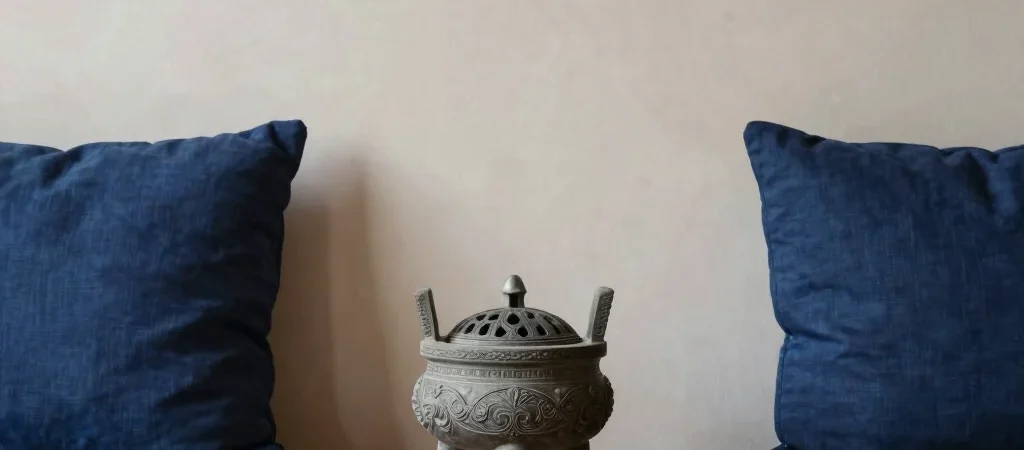
Our physical surroundings act as a constant mirror to our internal mental landscape. Incorporating principles from spatial traditional design enables us to construct domestic environments that actively promote tranquility and focused contemplation. By prioritizing tactile organic materials, uncluttered spatial flow, and intentional light placement, any contemporary home can become a restorative sanctuary.
The Subtle Influence of Spatial Flow
Arranging living space to encourage unobstructed movement allows natural light and fresh air to circulate freely. Clearing entryways and high-traffic pathways reduces subconscious visual noise, creating an immediate sense of spaciousness upon entering a room. Strategic placement of functional furniture preserves open floor areas dedicated purely to meditation, breathing practices, or quiet contemplation.
Choosing Raw Materials and Natural Textures
Surrounding ourselves with authentic tactile elements like raw stone, unbleached linen, and natural earthenware grounds our senses after hours of interaction with synthetic digital screens. The subtle irregularities found in handmade ceramics and unvarnished timber introduce an organic warmth that synthetic materials simply cannot replicate. These earthy textures act as quiet sensory anchors throughout the home.
Establishing Dedicated Sanctuaries for Practice
Dedicating even a small nook specifically for daily reflection strengthens consistent practice habits over time. Keeping this sanctuary free from work documents and digital devices creates an immediate psychological association with peace and presence. Over time, simply stepping into this curated corner prompts the mind to quieten and reconnect with essential priorities.